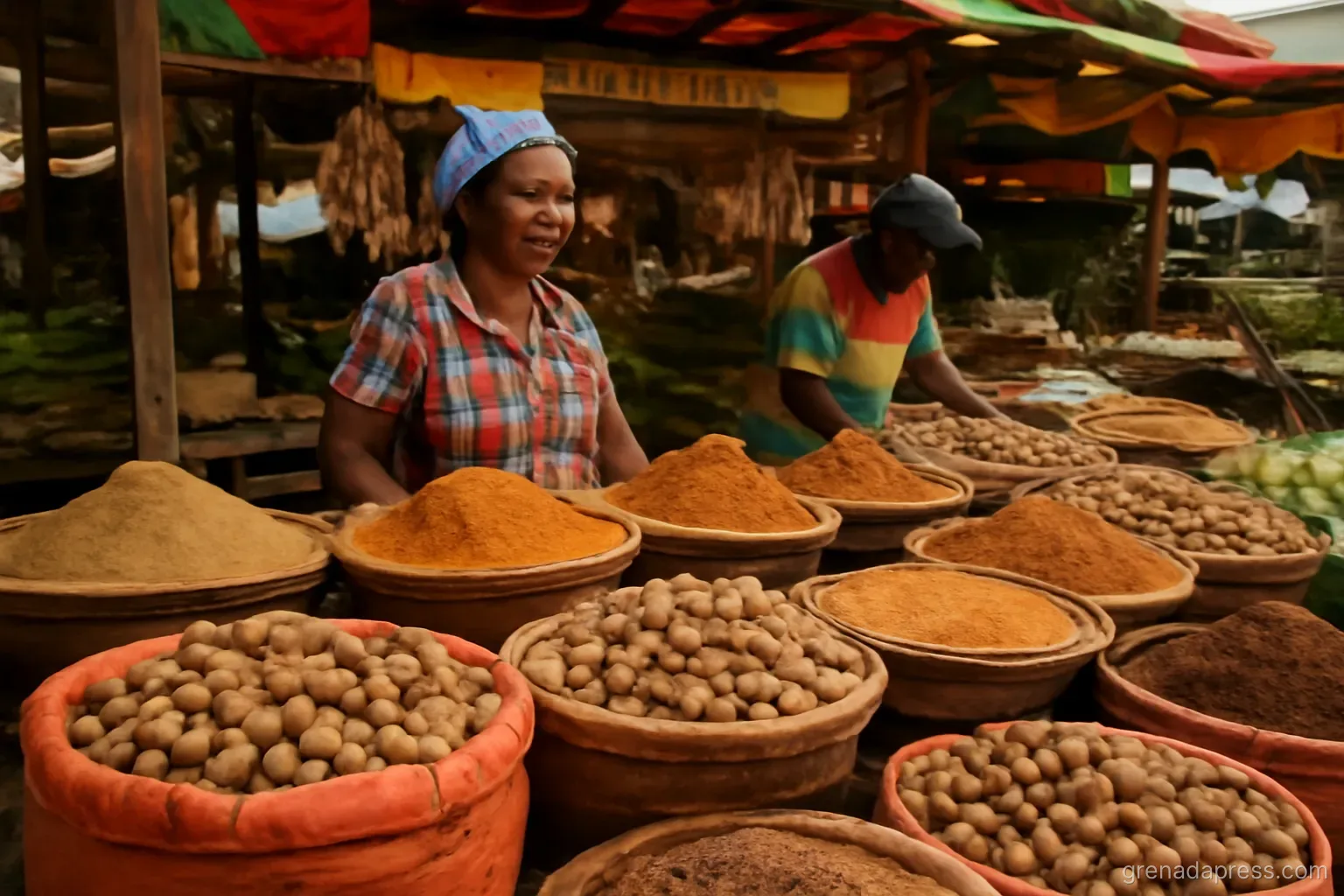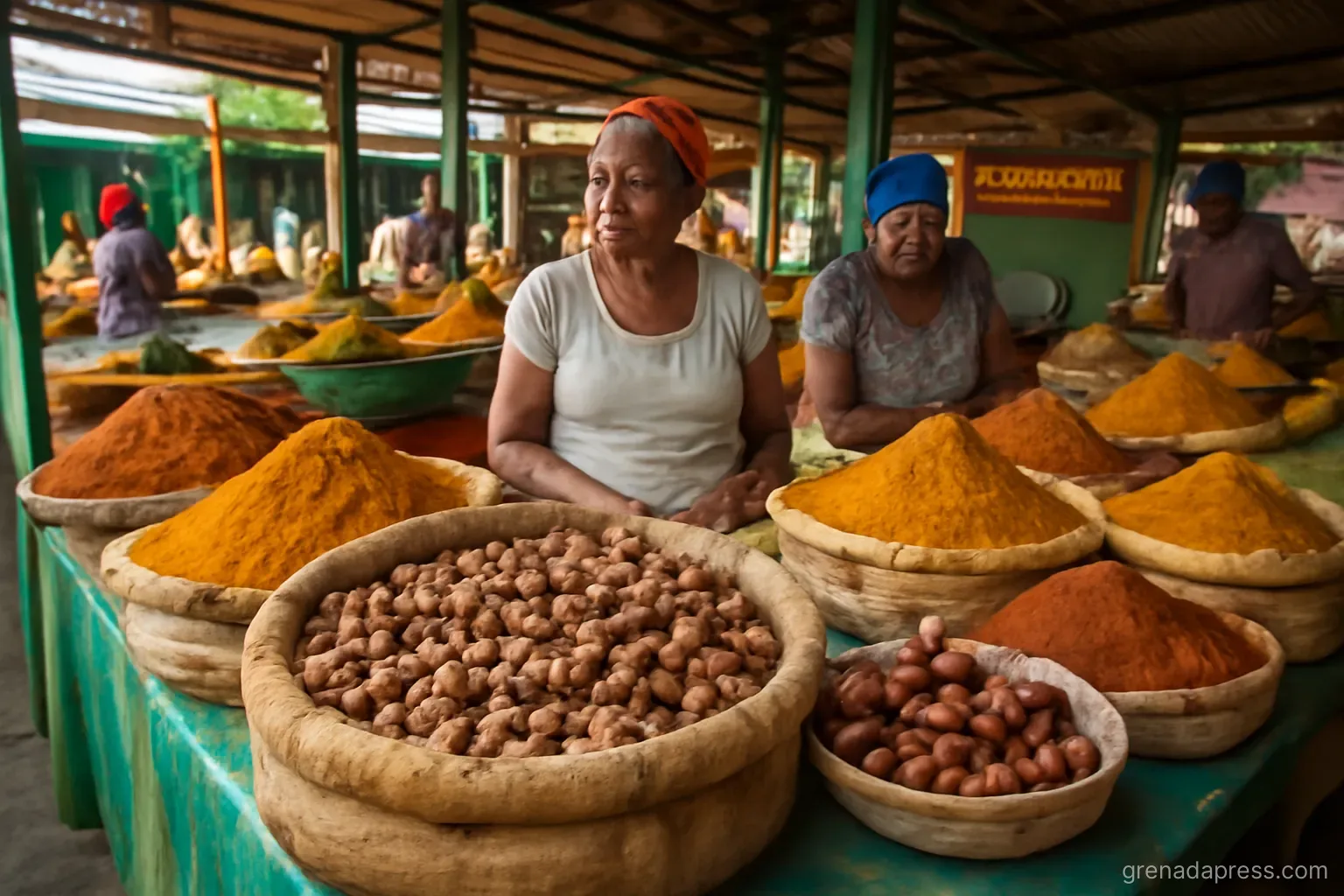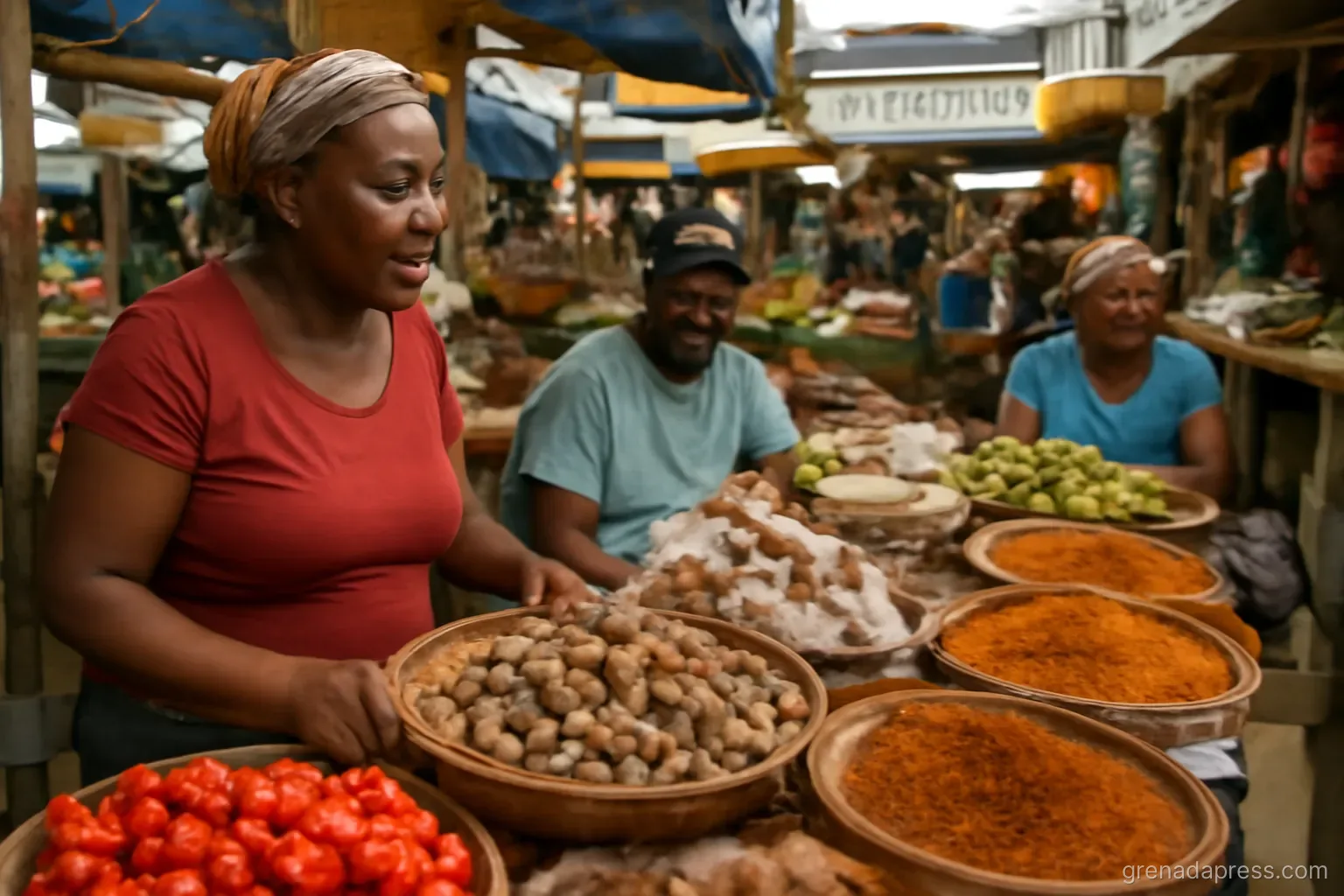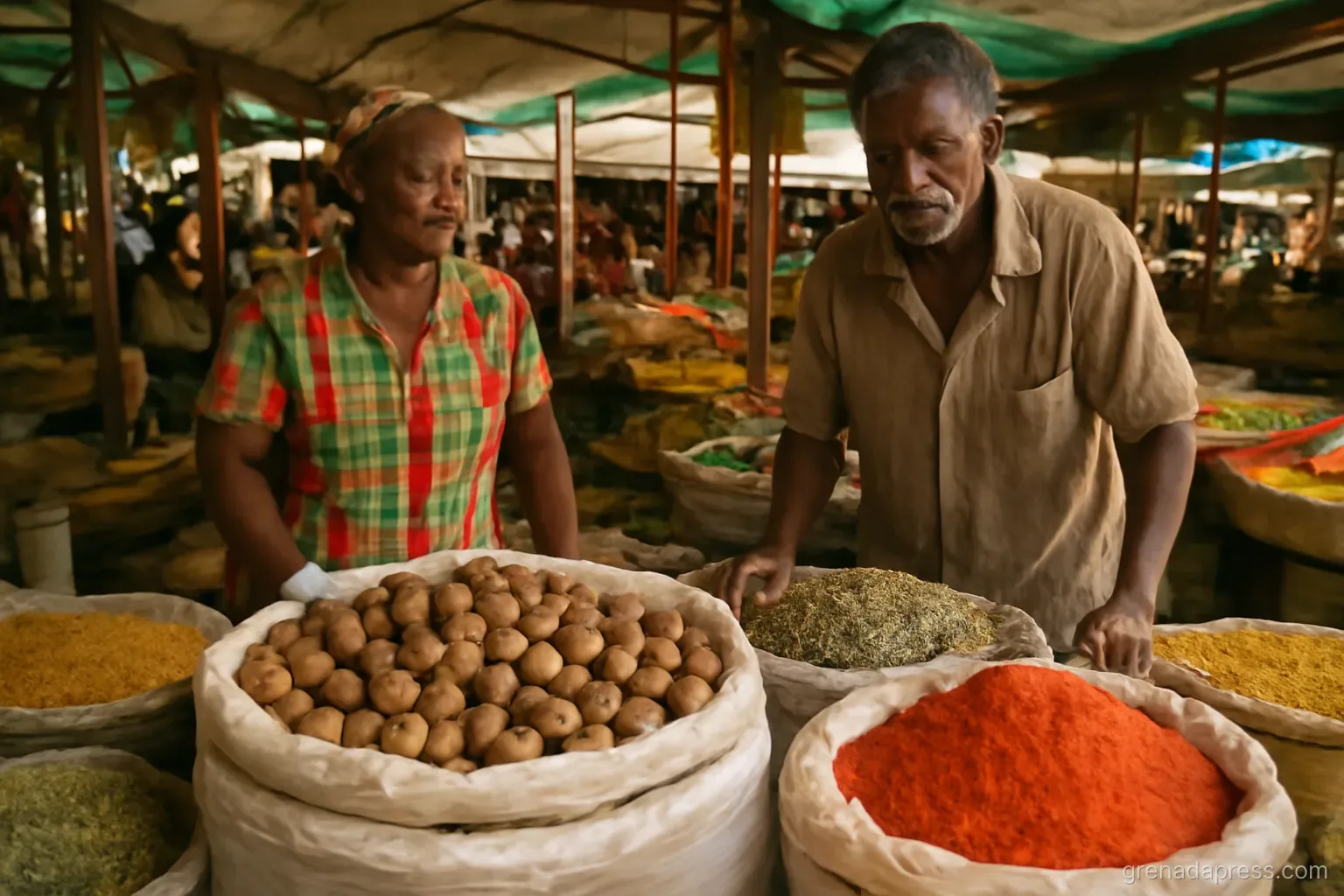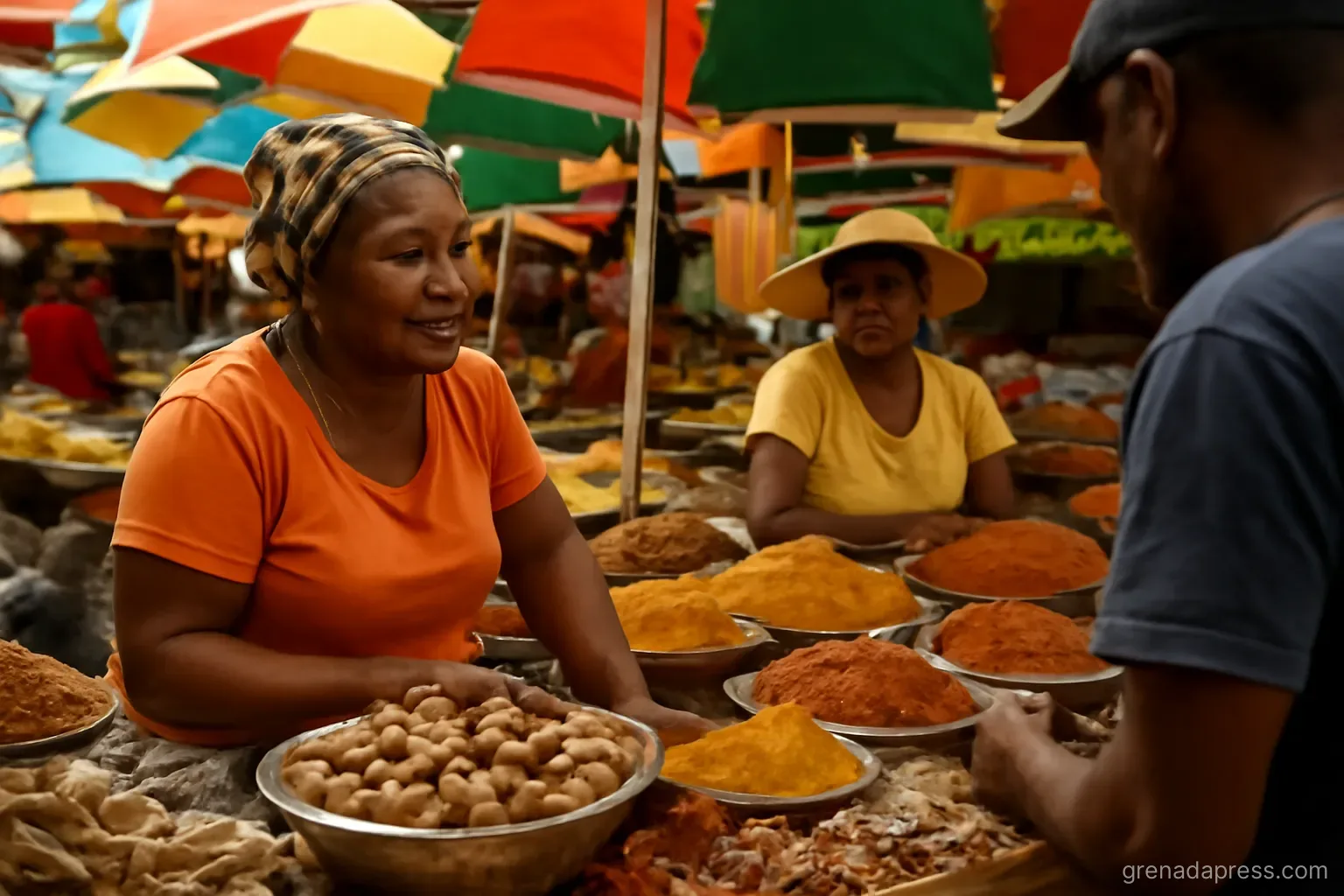
Spice is not a marketing theme here; it is the organising fact of the island's modern history and it explains a surprising amount about the society.
How it began
Nutmeg was introduced in the nineteenth century as the sugar economy declined, and it found conditions close to ideal: volcanic soil, elevation and high rainfall.
What followed was structurally different from what came before, and this is the important part.
Why it changed the society
Sugar required large estates and concentrated labour. Nutmeg did not — it suited small plots worked by families. The consequences:
- Land ownership spread among former estate workers rather than concentrating
- A landowning peasantry emerged, giving the society a broader base of property than many Caribbean islands
- A cooperative marketing structure developed, giving small growers collective bargaining power
- Rural settlement patterns formed around smallholdings rather than plantation villages
This is why Grenada's social structure differs from islands where sugar estates persisted. A crop determined a social order, and the effects are still visible in landholding and in village layout.
Two spices, one seed
- Nutmeg — the inner seed, dried and traded
- Mace — the red aril around it, dried separately and worth more
- The fruit — discarded elsewhere, used here for jams, syrups and drinks
That third use is distinctively Grenadian and worth trying: a by-product almost everywhere else became a local product here.
The collapse
A single hurricane destroyed the great majority of nutmeg trees. Because the trees take years to mature, the effect was structural rather than seasonal, and production has recovered only partially.
What that episode demonstrates: an agricultural economy built on slow-maturing perennials is far more fragile than one based on annual crops — a lesson with implications well beyond Grenada.
Where you encounter it today
- Markets — spices sold loose, with nutmeg graded and priced by quality
- Processing stations — working facilities where the crop is graded and dried, open to visitors
- Food and drink — nutmeg on rum punch as standard, in ice cream, in jam, in savoury cooking
- The flag — the nutmeg appears on it
- Chocolate — the cocoa industry, processing on the island rather than exporting raw beans
Frequently asked questions
Why did nutmeg change the society?
It suited small family plots rather than large estates, so land ownership spread and a landowning peasantry emerged.
What is done with the nutmeg fruit?
Made into jams, syrups and drinks — a by-product discarded almost everywhere else.
Why was the hurricane damage structural?
Because nutmeg trees take years to mature, so destroyed trees mean a decade-long loss rather than a bad season.
What is unusual about the cocoa industry?
Beans are processed into chocolate on the island rather than exported raw, capturing value that normally leaves.
Need a tailored roadmap?
Viking Global Group walks with you from paperwork to settlement. Call +849.219.219.88 or email [email protected] for a free consultation.
Related articles
Frequently Asked Questions
What about Culture and people in Grenada?
The article covers culture and people in Grenada.
How does this relate to Grenada?
The article links Grenada to culture and people.
Information is for reference and may change under the latest official policy. Please contact us for current regulations.