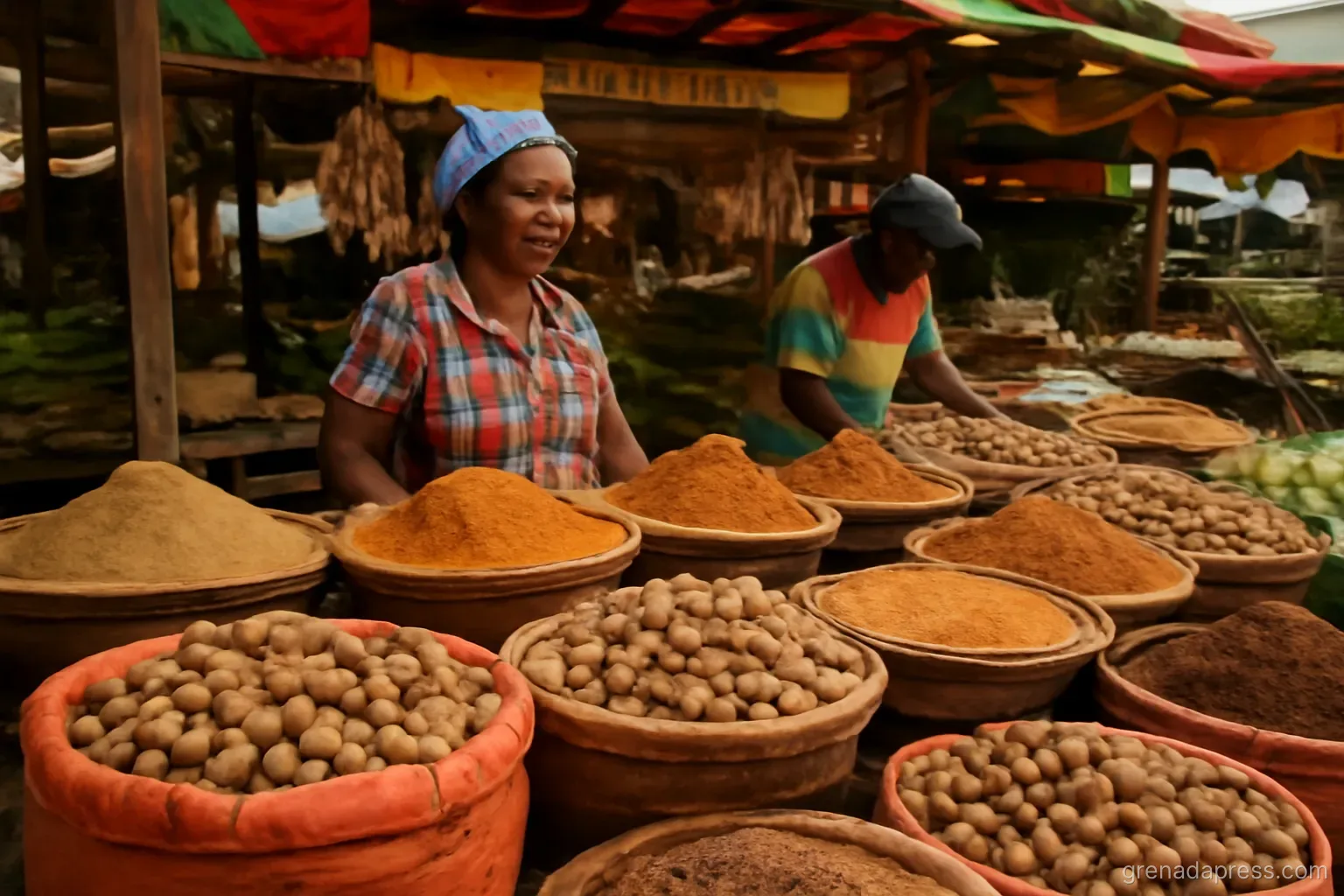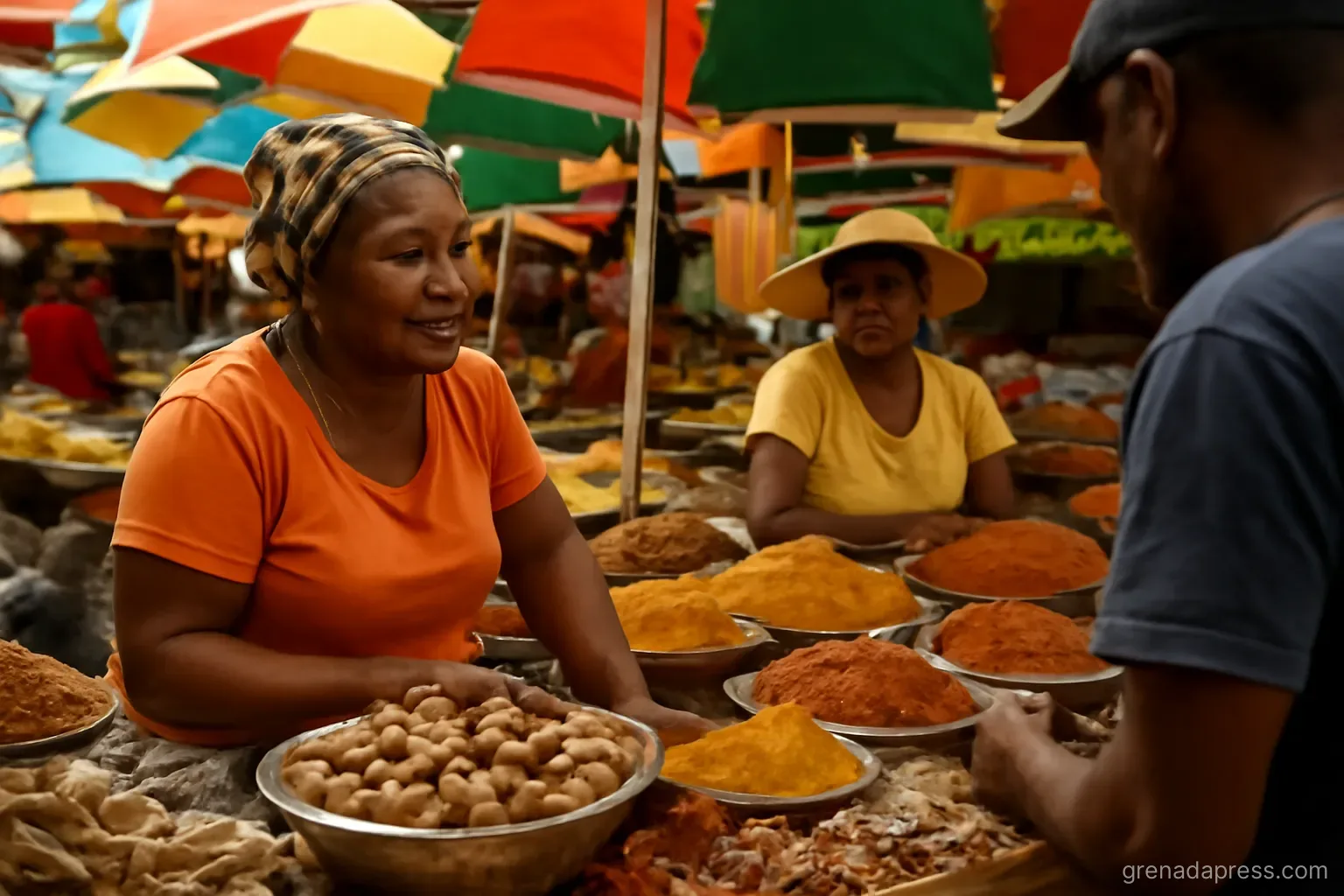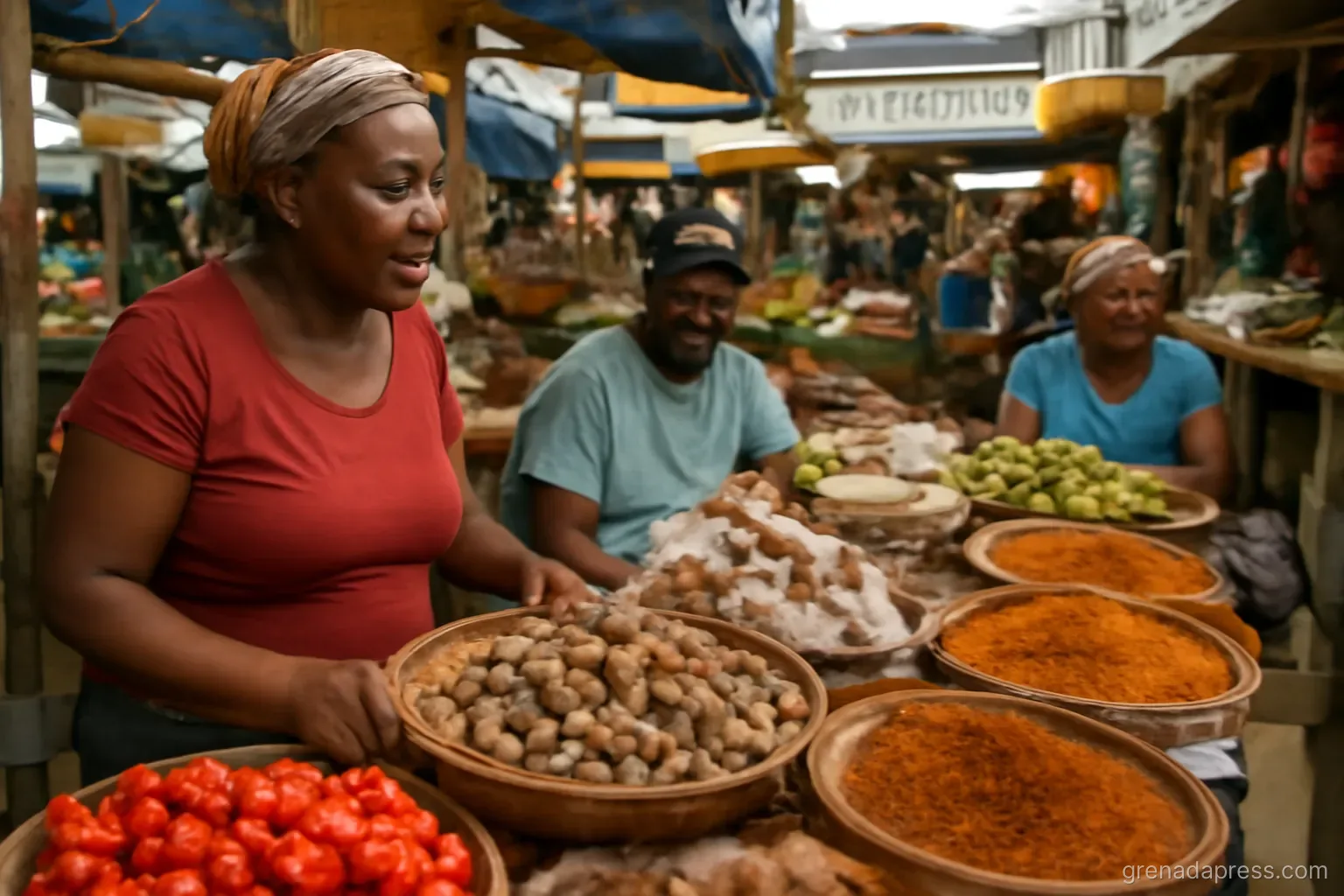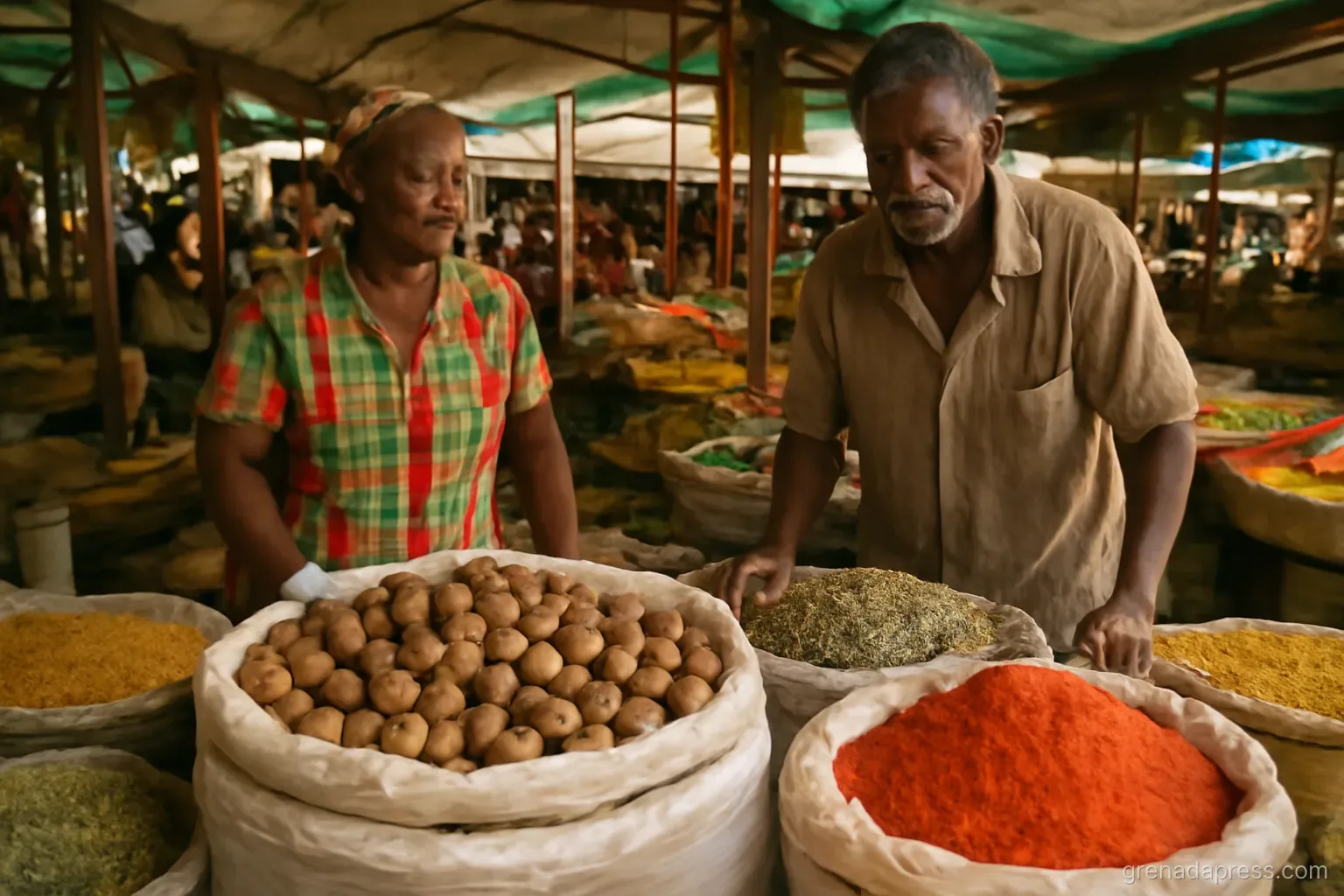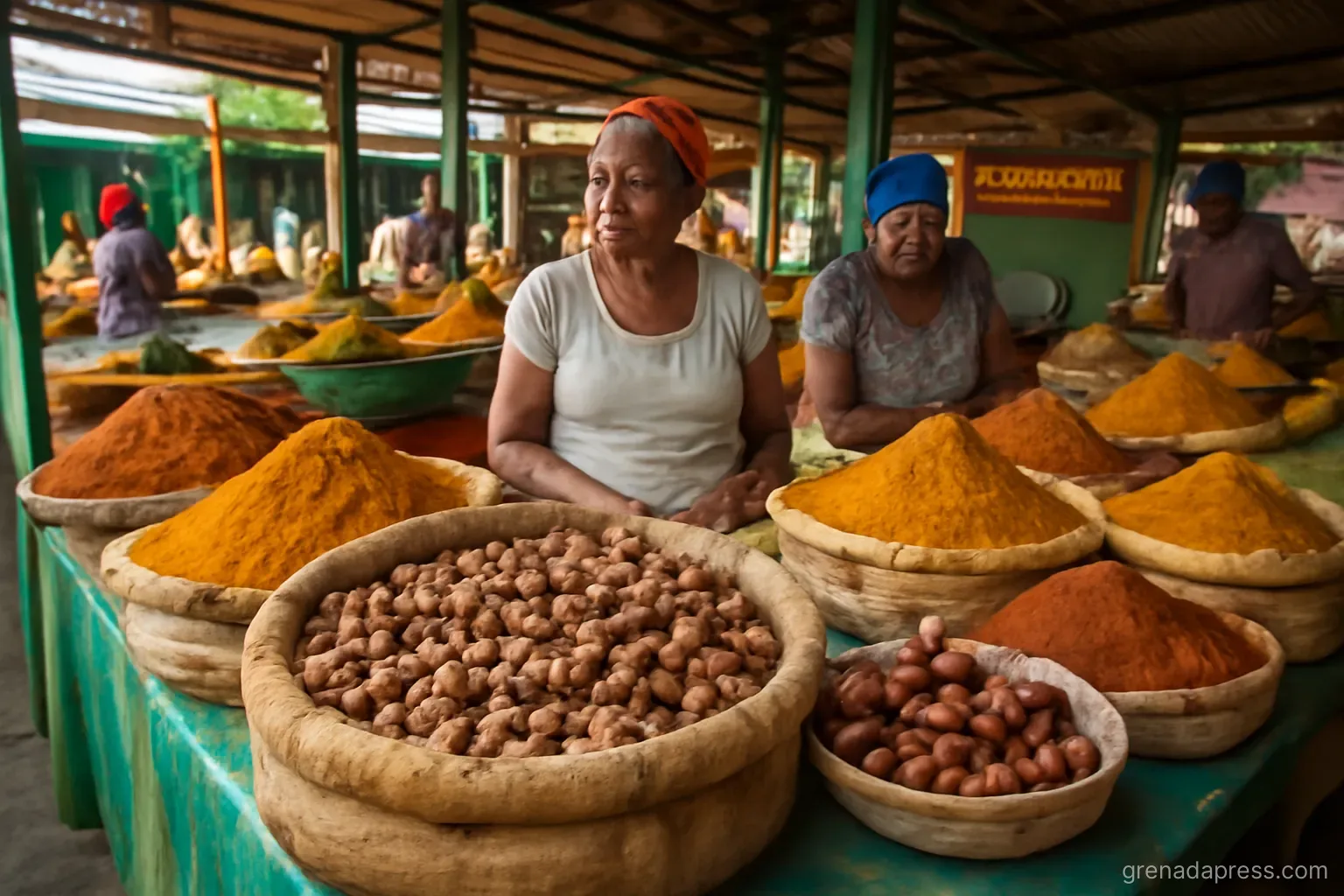
An account of the population and social structure, aimed at someone who will be living among it rather than reading about it.
Composition
- Predominantly of African descent, the demographic legacy of the plantation period
- A substantial mixed-heritage population
- An East Indian minority descended from indentured labourers
- Small European and Middle Eastern-descended communities, the latter historically prominent in commerce
- A transient international population around the university and the marine sector
The diaspora — the defining feature
This is what distinguishes Grenadian society from a straightforwardly small and isolated one. Large Grenadian communities live in the United Kingdom, the United States, Canada and Trinidad, built up over generations of emigration.
The consequences run deep:
- Almost every family has close relatives abroad
- Remittances are economically significant
- External perspective is common — many people have lived elsewhere and returned
- Return migration at retirement is a well-established pattern
Point three matters for a newcomer's expectations: this is not an inward-looking society. Many of the people you meet have lived in London, New York or Toronto, and the assumption that a small island means limited horizons is simply wrong here.
Language
English is official and used in all formal contexts. An English-based creole is the everyday spoken form, and speakers move between registers according to setting.
A newcomer will understand formal speech immediately and may struggle with rapid creole among friends. This is a register difference, not exclusion, and it resolves with exposure.
Faith
Predominantly Christian, with Catholic and Anglican traditions strongest, alongside Adventist, Methodist, Pentecostal and other denominations. Observance is high, and religious institutions are socially central.
Social structure and mobility
Land ownership is comparatively widespread, a legacy of smallholder spice agriculture rather than estate monoculture. Education is valued strongly, and it has long been the primary route to advancement — frequently via emigration, which is both a national asset and a persistent loss.
Attitudes to newcomers
Generally welcoming, with the familiarity that comes from a society long connected to the wider world. What is expected in return is courtesy, effort and respect — and what is resented, here as anywhere, is condescension.
Frequently asked questions
What defines Grenadian society?
The diaspora — large communities abroad mean almost every family has close relatives overseas, and many people have lived elsewhere and returned.
Is it an inward-looking society?
No — the external connections are dense, and many people you meet have lived in major cities abroad.
Will you understand the spoken language?
Formal English immediately; rapid creole among friends takes exposure — it is a register difference, not exclusion.
Why is land ownership widespread?
Because smallholder spice agriculture replaced estate monoculture after emancipation.
Need a tailored roadmap?
Viking Global Group walks with you from paperwork to settlement. Call +849.219.219.88 or email [email protected] for a free consultation.
Related articles
Frequently Asked Questions
What about Culture and people in Grenada?
The article covers culture and people in Grenada.
How does this relate to Grenada?
The article links Grenada to culture and people.
Information is for reference and may change under the latest official policy. Please contact us for current regulations.