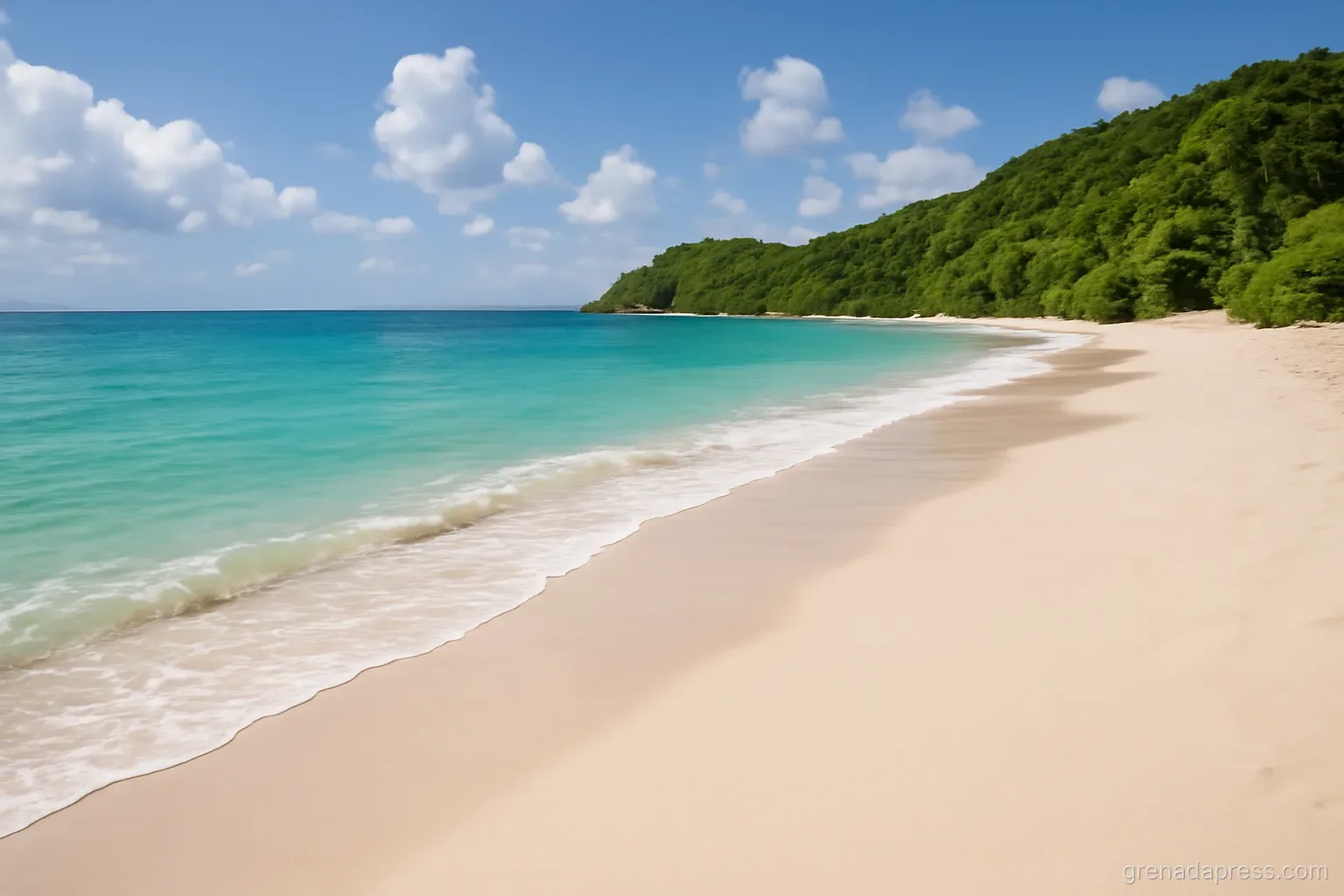
Grenada has a genuine claim in a region where every island advertises good diving. The claim rests on three specific things.
The wreck
A large early twentieth-century passenger liner lies off the southwestern coast, regarded as one of the biggest diveable shipwrecks in the Caribbean.
Honest assessment of the requirements: this is a deep dive with current, beyond entry-level certification, and operators require appropriate qualification and logged experience. Anyone planning a trip specifically around it should confirm they meet the criteria before booking.
The sculpture park
The world's first underwater sculpture park, off the west coast, at depths accessible to snorkellers as well as divers. Now substantially colonised by coral and marine life, which was the design intention.
It serves a real conservation function: drawing traffic away from stressed natural reef.
The sister island conditions
Divers who know the country consistently rate Carriacou and the surrounding islets above the main island — clearer water, healthier coral, less sediment. Serious divers often base themselves there rather than on the mainland.
What you see
- Reef fish in abundance on the sheltered sites
- Turtles, regularly
- Rays and nurse sharks
- Larger pelagics on the offshore and southern sites
- Seahorses and macro life on the calmer west coast reefs
Conditions and timing
- Water temperature is warm year-round — a thin wetsuit suffices
- Visibility is generally good, and drops noticeably after heavy rain because runoff from steep terrain carries sediment
- Sea state is calmest on the west coast; December to February brings stronger trade winds
- Storm season can close sites and damage structures
Point two connects to the island's geography and is worth planning around: dive in a dry spell for the best visibility.
Conservation and rules
Several areas carry marine protected status with anchoring restrictions and mooring buoys provided. Fishing and extraction are restricted in those zones. Lionfish, an invasive species, are actively culled, and some operators involve divers in that.
For non-divers
Snorkelling reaches the shallower sculptures and several reefs directly from shore. Glass-bottom boats serve those not entering the water. The marine environment is accessible without certification, which is not true everywhere.
Frequently asked questions
Can any diver do the wreck?
No — it is deep with current, beyond entry-level certification, and operators require qualification and logged experience.
Where are the best conditions?
Carriacou and the surrounding islets — clearer water and healthier coral than the main island.
When is visibility best?
During dry spells — heavy rain sends sediment runoff from steep terrain to the coast.
Can non-divers see the marine life?
Yes — snorkelling reaches the shallower sculptures and several reefs from shore, and glass-bottom boats are available.
Need a tailored roadmap?
Viking Global Group walks with you from paperwork to settlement. Call +849.219.219.88 or email [email protected] for a free consultation.
Related articles
Frequently Asked Questions
Information is for reference and may change under the latest official policy. Please contact us for current regulations.