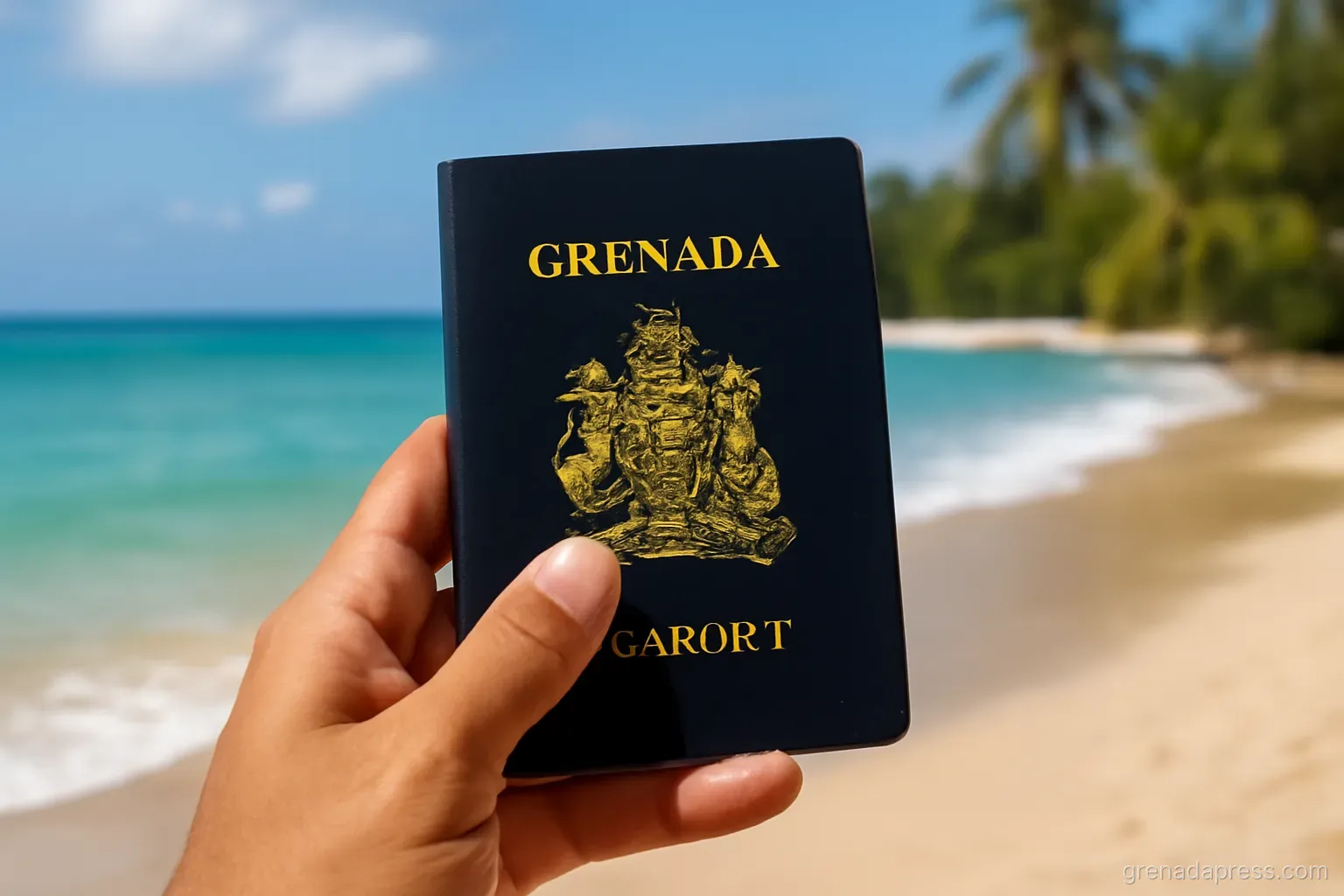
This is for someone who has decided to spend real time in Grenada and needs to know how the place operates.
The shape of the country
Everything relevant to a newcomer is in the southwest — the capital, the airport, the main beaches, the university, the majority of shops, services and foreign residents. Distances elsewhere are short in kilometres but long in time, because the roads follow steep terrain.
Understanding this saves a lot of confusion: "twenty minutes away" is a meaningful unit here, and "ten kilometres away" is not.
How things get done
- In person, usually — many processes require attendance rather than being completed online
- Slowly — this is the default, not a failure; escalating rarely helps
- Through relationships — knowing the right person genuinely speeds things up, which is a feature of small societies rather than a scandal
- With documents — take everything, plus copies, every time
Point two is the adjustment most newcomers find hardest, and the ones who adapt describe the same realisation: allow more time and it stops being frustrating.
Money
- The Eastern Caribbean dollar is the currency, pegged to the US dollar at a fixed rate
- US dollars are widely accepted at a customary rate, though change comes in local currency
- Cards work in the southwest and much less reliably elsewhere
- Cash is essential for markets, minibuses and small vendors
Getting around
Minibuses are the local system — cheap, frequent on main routes, and they stop relatively early in the evening. Taxis charge by route; agree the fare first. Renting or buying a car is what most residents end up doing, and it requires a local permit. Driving is on the left.
Social basics
- Greet people — entering a shop or office without acknowledging those present is noticed
- Use "good morning" and "good afternoon" properly; they function as required courtesies rather than optional pleasantries
- Dress modestly away from the beach — beachwear in town is not appreciated
- Ask before photographing people
The greeting point is the single most useful thing a newcomer can learn. It costs nothing and changes every interaction.
Things to arrange early
- A local phone number
- A bank account, if staying long — allow time
- A driving permit
- Health cover including evacuation
- Somewhere temporary before committing to a lease
Frequently asked questions
Why are distances misleading?
Roads follow steep terrain, so time rather than kilometres is the meaningful unit.
What is the hardest adjustment?
The pace of administration — allowing more time is what makes it stop being frustrating.
What is the single most useful social habit?
Greeting people on entering a shop or office — it costs nothing and changes every interaction.
Are cards widely accepted?
In the southwest yes, elsewhere much less — cash is essential for markets, minibuses and small vendors.
Need a tailored roadmap?
Viking Global Group walks with you from paperwork to settlement. Call +849.219.219.88 or email [email protected] for a free consultation.
Related articles
Frequently Asked Questions
Information is for reference and may change under the latest official policy. Please contact us for current regulations.